
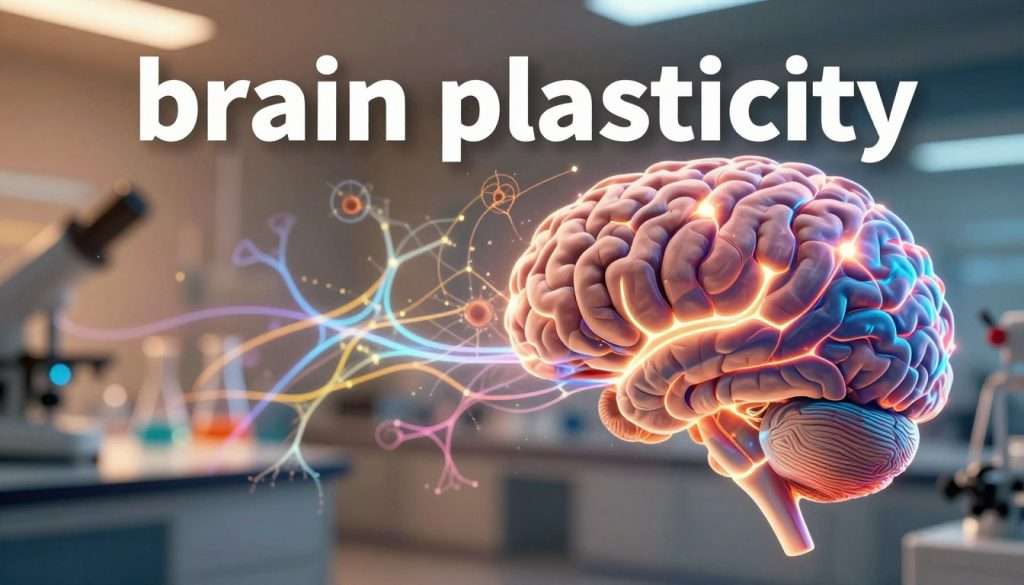
Imagine changing your brain to get better at things in life. This isn’t just a dream; it’s real thanks to neuroplasticity. This is how our brain changes, adapts, and grows as we live.
For a long time, people thought our brains couldn’t change after a certain age. But we now know that’s not true. Our brains can make new connections, change how strong they are, and even grow new neurons in some areas.
By learning about and using brain plasticity, we can reach our highest potential. In this article, we’ll dive into the science behind it, its advantages, and ways to improve it. This will help you get the success you want.
Key Takeaways
- Neuroplasticity lets our brains change and adapt as we live.
- It means making new connections and changing old ones.
- Using brain plasticity can unlock our full potential.
- There are practical ways to boost neuroplasticity for more success.
- Understanding neuroplasticity can help us reach our goals.
Understanding Brain Plasticity and Its Impact on Success
Your brain’s ability to adapt is key to success. Brain plasticity, or neuroplasticity, is the brain’s ability to change and adapt throughout life. This idea challenges the old belief that the brain can’t change after a certain age.
Knowing about brain plasticity is important because it affects our learning and success. By understanding how our brains can change, we can find new ways to succeed.
What Brain Plasticity Means for Your Potential
Brain plasticity shows that our brains are not set in stone. Through neurogenesis, our brains can make new neurons. And through synaptic plasticity, the strength of connections between neurons can change. This lets our brains adapt and grow based on what we learn and experience.
This flexibility helps us deal with brain damage and learn new skills as we age. It means we can improve our thinking and do better in different areas with the right mindset and practices.
The Connection Between Neuroplasticity and Achievement
The link between neuroplasticity and success is deep. By using our brain’s ability to change, we can get past obstacles, learn from mistakes, and build the skills we need for success. Neuroplasticity helps us:
- Boost our thinking skills through practice and training.
- Create new brain paths to help with weaknesses or past issues.
- Become more resilient and handle challenges better.
To show how neuroplasticity affects success, here’s a table comparing different practices and their effects:
| Practice | Effect on Neuroplasticity | Outcome |
|---|---|---|
| Meditation | Increases gray matter, enhances synaptic plasticity | Improved thinking and emotional control |
| Physical Exercise | Promotes neurogenesis, improves neural connections | Better learning, memory, and mood |
| Cognitive Training | Strengthens neural connections, improves synaptic plasticity | Enhanced performance in thinking tasks, better memory |
By understanding and using brain plasticity, we can actively work towards our goals and reach our full potential.
The Science Behind Neuroplasticity
Exploring neuroplasticity reveals how our brains adapt and grow. It’s not simple; it’s a complex process. It involves changes in the brain’s structure and function.
How Synaptic Plasticity Creates New Connections
Synaptic plasticity lets synapses get stronger or weaker. It’s key for learning and memory. When we do something new, our brain’s connections change, making communication better.
Neurons that work together get stronger. This is called Hebbian plasticity. It’s like “neurons that fire together, wire together.”
The Role of Neurogenesis in Adult Brains
Neurogenesis, making new neurons, was thought to stop at birth. But, research shows adult brains still make new neurons. This is important for learning and memory.
Exercise and thinking hard can help. A study in Neural Regeneration Research found exercise boosts brain function (Source: NiaHealth Blog).
Gray Matter and White Matter Changes
Neuroplasticity also changes gray and white matter. Gray matter has neuron cell bodies. White matter has axons that carry signals. Training can make gray matter bigger in certain areas.
Cognitive flexibility is key. It lets us switch tasks and adapt to new info. The NiaHealth Blog says it’s vital for today’s world.
“Cognitive flexibility is the ability to switch between different mental tasks and adapt to new information.” – NiaHealth Blog
| Concept | Description | Impact on Cognitive Flexibility |
|---|---|---|
| Synaptic Plasticity | Strengthening or weakening of synapses | Enhances ability to learn and adapt |
| Neurogenesis | Generation of new neurons in adult brains | Supports learning and memory |
| Gray/White Matter Changes | Structural changes in brain matter | Improves cognitive processing efficiency |
Understanding neuroplasticity helps us see how our brains change. It shows how we can improve our brain health. This knowledge helps us grow our cognitive flexibility.
Core Principles of Successful Neural Rewiring
To make lasting changes, we must focus on key principles. These principles help our brains adapt and change effectively.
The Power of Repetition and Consistency
Repetition and consistency are crucial for rewiring our brains. Studies show that repeating new behaviors strengthens connections. For example, to build a new habit, consistency is key. Do the new action at the same time every day.
Learning a new language is another example. Regular practice, even for a few minutes daily, is essential. Spaced repetition helps solidify new words and grammar in your memory.
Why Challenge and Novelty Matter
Our brains love novelty and challenges. When we face something new, our brain releases dopamine, motivating us to learn. Trying new activities or skills keeps our brain active and promotes flexibility.
For instance, starting a new hobby like painting or playing an instrument challenges your brain. It’s important to step out of your comfort zone and embrace the initial discomfort.
The Importance of Focused Attention
In today’s world, it’s vital to maintain focused attention for rewiring. Concentrating on one task without distractions allows your brain to adapt better.
Try using a “focus timer” technique. Work for 25 minutes without breaks, then take a 5-minute break. This method improves your concentration and makes practice more effective.
Emotional Engagement in Learning
Emotions greatly influence learning. When you’re emotionally invested, your brain is more likely to consolidate new information. This is because emotions activate the amygdala, enhancing memory.
To leverage emotional engagement, connect what you’re learning to your personal experiences or goals. Ask yourself how the new skill or knowledge can help you achieve your dreams. This makes learning more meaningful and memorable.
Proven Neuroplasticity Exercises to Strengthen Your Brain
You can make your brain stronger by doing certain exercises every day. Activities that challenge your brain help it grow and improve. This makes your brain work better and stay healthy longer.
Cognitive Training Through Strategic Games
Playing strategic games is a great way to challenge your brain. These games help you think critically and solve problems. They make your brain more adaptable and flexible.
Lumosity and Peak Brain Training Apps
Apps like Lumosity and Peak have games to improve your brain. They help with memory, attention, and how fast you process information. Using these apps regularly makes your brain stronger.
Chess and Strategy-Based Thinking
Playing chess is a great way to improve your thinking skills. It makes you think ahead and adjust your plans. This helps your brain grow and change.
Learning New Skills for Maximum Neural Growth
Learning something new is a great way to make your brain grow. It challenges you to create new connections and strengthen old ones. This is a powerful way to improve your brain.
Musical Instrument Practice
Learning to play a musical instrument is hard but rewarding. It requires coordination, memory, and focus. Regular practice improves your brain’s ability to adapt and function better.
Foreign Language Acquisition
Learning a new language is a great brain challenge. It involves memory, attention, and problem-solving. This helps your brain grow and stay healthy.
Memory Palace and Chunking Techniques
Techniques like the Memory Palace and chunking can boost your memory. The Memory Palace uses visualization to remember things. Chunking breaks down information into smaller parts. Both techniques improve your brain’s ability to remember and process information.
By doing these exercises every day, you can make your brain stronger. Activities that challenge your brain can improve your cognitive health. This reduces the risk of brain decline as you age.
Physical Activities That Accelerate Brain Reorganization
Exercise is great for your body and brain. It helps your brain change and adapt. This is called neuroplasticity, where your brain makes new connections.
High-Intensity Interval Training for BDNF Release
High-Intensity Interval Training (HIIT) is popular for its results. It boosts Brain-Derived Neurotrophic Factor (BDNF) in your brain. BDNF helps your brain grow and stay healthy. So, HIIT is good for your brain and body.
Dance and Complex Coordination Exercises
Dance and complex exercises challenge your brain. They make different parts of your brain work together. Learning a new dance or routine keeps your brain sharp.
Yoga Sequences for Mind-Body Integration
Yoga is great for your brain. It mixes physical movement with mindfulness and breathing. Certain yoga sequences can improve brain functions like balance and thinking.
Balancing Poses for Cerebellar Development
Balancing poses in yoga help your cerebellum. The cerebellum controls movement and balance. These poses strengthen your brain’s motor function.
Breath Work for Prefrontal Cortex Activation
Breath work in yoga boosts your brain. It activates the prefrontal cortex. This improves skills like decision-making and problem-solving.
Meditation Practices for Enhanced Cognitive Flexibility
Meditation is a powerful tool for improving cognitive flexibility. It helps our brains adapt and change. By making meditation a part of our daily routine, we can see big improvements.
Focused Attention Meditation Protocol
Focused attention meditation helps us concentrate on one thing. It brings mental clarity and calmness. This is great for improving how well we focus.
Starting with Five-Minute Sessions
Start with just five minutes a day. As you get better, you can do more. Consistency is key to getting good at it.
Progression to Extended Practice
When you get better at focused attention, you can do longer sessions. This makes your meditation deeper and more effective.
Open Monitoring and Body Scan Techniques
Open monitoring meditation lets you watch everything without focusing on one thing. Body scan techniques help you notice what your body feels. This builds awareness of your body.

Loving-Kindness Meditation for Social Brain Networks
Loving-kindness meditation, or Metta meditation, builds compassion and kindness. It’s good for our social connections and relationships.
| Meditation Type | Primary Benefit | Recommended Duration |
|---|---|---|
| Focused Attention | Improved attentional control | 5-30 minutes |
| Open Monitoring | Enhanced awareness | 10-40 minutes |
| Loving-Kindness | Strengthened social connections | 10-30 minutes |
Adding these meditation practices to our daily lives boosts cognitive flexibility and brain function. Regular meditation can greatly improve our mental clarity, emotional control, and social connections.
Nutrition Strategies to Fuel Neural Growth
Eating the right foods can supercharge your brain’s ability to adapt and grow. You’ll learn how certain foods and supplements can support neuroplasticity and enhance cognitive function.
Essential Brain-Boosting Foods
Adding specific foods to your diet can give your brain the nutrients it needs. Let’s explore some of the top brain-boosting foods.
Fatty Fish and Omega-3 Sources
Fatty fish like salmon, sardines, and mackerel are full of omega-3 fatty acids. These fats are key for brain function and growth. Research has shown that omega-3s help by reducing inflammation and boosting neural connections.
Berries and Antioxidant-Rich Produce
Berries, like blueberries and strawberries, are full of antioxidants. These help protect the brain from damage. Leafy greens and other fruits and vegetables also support brain health by fighting off free radicals.
Supplements That Support Neurogenesis
Some supplements can also boost brain health and neurogenesis. Here are some key ones to consider.
Omega-3 Fish Oil Dosage Guidelines
When picking an omega-3 supplement, make sure it has EPA and DHA. The right dose is between 1000 to 2000 mg of EPA and DHA daily. Always talk to a healthcare professional before starting any supplements.
Curcumin and Lion’s Mane Mushroom
Curcumin, found in turmeric, has strong anti-inflammatory and antioxidant effects. It may help support brain health. Lion’s Mane mushroom is also studied for its potential to support neurogenesis and cognitive function.
By using these nutrition tips and a healthy lifestyle, you can help your brain adapt and grow. This will improve your cognitive function and overall well-being.
Sleep Optimization for Memory Consolidation and Synaptic Pruning
Sleep is more than just rest; it’s a critical period for neural rewiring and memory consolidation. During sleep, our brains undergo various processes that are vital for cognitive function and overall brain health. Understanding how sleep impacts our brain can help us optimize our sleep patterns for better memory and cognitive flexibility.
Understanding Sleep Cycles and Brain Maintenance
Sleep is not a uniform state; it’s divided into cycles that include different stages, each playing a unique role in brain maintenance. Research from the Huberman Lab highlights that different stages of sleep contribute to various aspects of brain health, including synaptic plasticity. Understanding these cycles can help us appreciate the importance of quality sleep.
- Sleep cycles include REM and non-REM stages, each crucial for different aspects of memory and learning.
- During REM sleep, the brain processes and consolidates memories, enhancing synaptic plasticity.
- Non-REM sleep is important for clearing out toxins and maintaining the health of brain cells.
Seven Steps to Better Sleep Quality
Improving sleep quality is crucial for enhancing memory consolidation and supporting neural rewiring. Here are seven steps to help you achieve better sleep:
- Temperature and Light Control: Maintain a cool bedroom temperature and ensure it’s dark to promote better sleep.
- Consistent Sleep-Wake Schedule: Go to bed and wake up at the same time every day, including weekends.
- Pre-Sleep Routine Design: Develop a calming pre-sleep routine, such as reading or meditation, to signal your body that it’s time to sleep.
- Avoid screens and electronic devices before bedtime.
- Limit caffeine and alcohol intake, specially in the hours leading up to bedtime.
- Exercise regularly, but not too close to bedtime.
- Manage stress through relaxation techniques, such as deep breathing or yoga.
Temperature and Light Control
Controlling the bedroom environment is crucial for improving sleep quality. A cooler temperature and darkness can significantly enhance your ability to fall asleep and stay asleep.
Consistent Sleep-Wake Schedule
Maintaining a consistent sleep schedule helps regulate your body’s internal clock, making it easier to fall asleep and wake up feeling refreshed.
Pre-Sleep Routine Design
Designing a pre-sleep routine can help signal to your brain that it’s time to wind down. Activities such as reading, listening to calming music, or practicing gentle stretches can be very effective.
By implementing these strategies, you can improve your sleep quality, enhance memory consolidation, and support overall brain health. Quality sleep is foundational to cognitive function and neural plasticity, making it a critical component of our daily lives.
Rewiring Negative Thought Patterns for Success
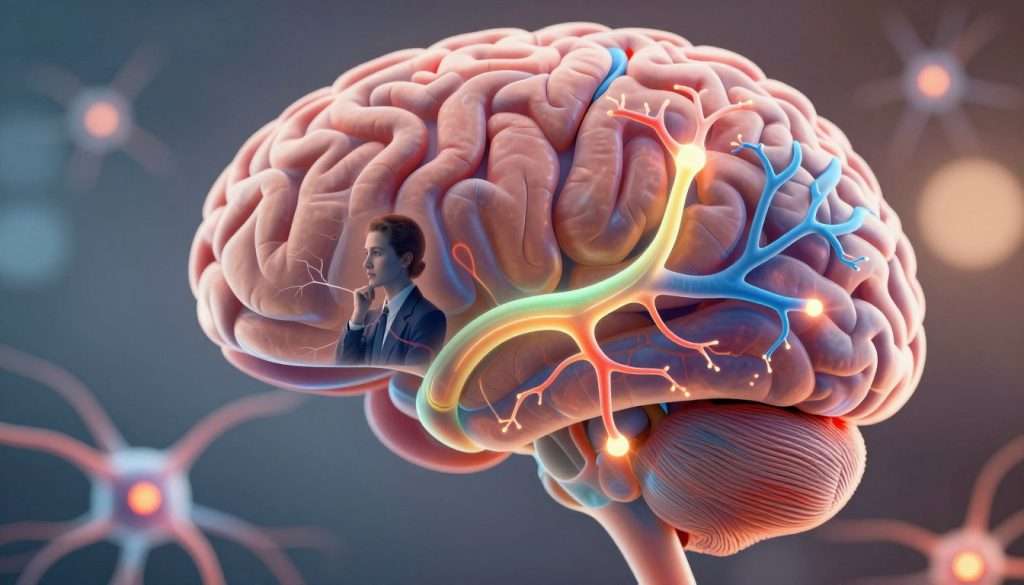
Negative thoughts can block our path to success, but we can change our minds. Our brains can adapt, and by changing our thoughts, we can overcome obstacles. This is about brain reorganization, reshaping our brain’s paths.
Identifying Your Limiting Neural Pathways
To change negative thoughts, first, we must know them. We need to spot the thoughts that hold us back. This requires self-reflection and honesty. By recognizing these patterns, we can see how they affect our lives and success.
Cognitive Restructuring Step-by-Step Process
Cognitive restructuring is a method to change our thoughts. It’s a step-by-step way to challenge and change negative thoughts. Here’s how it works:
Thought Recording and Analysis
First, we record our thoughts, focusing on when we feel negative. Analyzing these thoughts helps us spot patterns and distortions that lead to negative thinking.
Evidence Evaluation Techniques
Then, we check the evidence for and against our negative thoughts. This helps us question the truth of these thoughts and see they’re often not accurate.
Alternative Thought Development
Lastly, we create positive thoughts to replace the negative ones. We aim to think more balanced and realistic about ourselves and our situations.
| Technique | Description | Benefit |
|---|---|---|
| Thought Recording | Writing down negative thoughts | Increased awareness of thought patterns |
| Evidence Evaluation | Assessing the validity of negative thoughts | Reduced distortion in thinking |
| Alternative Thoughts | Creating more positive thoughts | Improved mental outlook and resilience |
Building Positive Mental Highways Through Repetition
Repeating positive thoughts helps them stick. By consistently thinking positively, we build new brain paths. This makes it easier to think positively and achieve success.
Changing our brains opens us to new chances and opportunities. It’s a powerful way to improve our well-being and success.
Advanced Brain Training Techniques for Peak Performance
Let’s dive into the latest methods to boost our brain’s performance. To reach peak performance, we must add advanced brain training to our daily life.
Deliberate Practice Framework for Skill Mastery
Deliberate practice is a key method for mastering new skills. It focuses on training and getting feedback right away. This boosts our brain’s ability to change and adapt.
Breaking Skills into Micro-Components
To use deliberate practice, we must break down complex skills into smaller parts. This makes it easier to focus on areas that need work.
Immediate Feedback Integration
Getting feedback right away is key for learning. It lets us adjust and improve our approach quickly.
Dr. Anders Ericsson, a leading expert, says, “Deliberate practice is not just about repeating things. It’s about focused effort to get better.”
“The key to improving performance is not just practice, but deliberate practice with a focus on specific aspects that need improvement.”
Visualization and Mental Rehearsal Methods
Visualization and mental rehearsal are strong tools for better performance. By imagining ourselves doing a task, we can do it better in real life.
First-Person Perspective Visualization
Using a first-person view in visualization makes it more real and effective. It gets our brain’s motor areas involved.
Multisensory Mental Practice
Adding different senses to our mental practice makes it more effective. It creates a richer mental picture.
A study in the Journal of Sports Sciences showed athletes who used visualization improved a lot.
| Technique | Description | Benefits |
|---|---|---|
| Deliberate Practice | Focused training with immediate feedback | Enhanced skill mastery, improved neuroplasticity |
| Visualization | Mental rehearsal of tasks | Improved performance, enhanced confidence |
| Dual N-Back Training | Cognitive training for working memory | Improved working memory, enhanced cognitive flexibility |
Dual N-Back Training for Working Memory
Dual N-Back training targets our working memory. It helps improve our overall brain function.
To use these advanced techniques, we need to be consistent and patient. Regular practice leads to big improvements in our brain abilities.
Building Your Personal Neuroplasticity Action Plan
Let’s make neuroplasticity work for you by creating a training plan just for you. First, check where you stand now, then set goals, and plan out your practice schedule.
Assessing Your Current Cognitive Baseline
Before you start, know your brain’s strengths and weaknesses. This step helps you see what to work on and how you’re doing over time.
Setting SMART Goals for Brain Training
It’s important to set Specific, Measurable, Achievable, Relevant, and Time-bound (SMART) goals for brain training. For instance, aim to remember a new face or poem each day for 30 days.
Designing Your Weekly Practice Schedule
Sticking to a routine is crucial for brain training. Plan a weekly schedule with brain games, physical activities, and relaxation.
Morning Cognitive Enhancement Routine
Begin your day with activities that boost your brain. Try solving puzzles, learning a new language, or playing brain games.
Evening Consolidation Practices
Evening practices help solidify what you learned during the day. Journaling, meditation, or a calm walk can help your brain prepare for tomorrow.
Measuring Progress and Adjusting Your Approach
Tracking your progress is key to improving your brain training. Record your successes, note any slowdowns, and tweak your plan to keep moving forward.
Conclusion
We’ve looked into the amazing world of neuroplasticity and how it can change our lives. By learning how our brains adapt, we can use neurogenesis and synaptic plasticity to get better at thinking and succeed more.
We’ve found many ways to boost neuroplasticity, like training our brains and exercising. We’ve also learned about the importance of what we eat and how much we sleep. By using these tips every day, we can help our brains grow and work better.
Now, we want you to use what you’ve learned in your daily life. This will help you reach your full brain potential and succeed in many areas. The science shows that by focusing on neurogenesis and synaptic plasticity, we can change our brains for the better.