

Do you ever feel like your textbooks are staring you down? We know studying can feel like a chore. But we believe it can be a rewarding experience. It’s time to change how you see studying and take back your academic life.
You can make studying fun by changing how you do it. We’re here to help you turn boring study sessions into exciting moments of discovery. With simple, effective study tips for students, you’ll save time and energy.
Let’s explore how to make your study space exciting. These small changes will lead to big results in your grades and happiness.
Key Takeaways
- Shift your mindset to view learning as a rewarding journey rather than a burden.
- Use creative techniques to keep your brain engaged during long sessions.
- Implement small, consistent habits to reduce academic stress.
- Reclaim your free time by optimizing how you process new information.
- Build a personalized environment that sparks your natural curiosity.
The Psychology of Enjoyable Learning
Ever wondered why some subjects are easy while others are hard? Learning is about making memories that last. But, it needs focus, which can be tough. By using fun learning techniques, you can make studying fun and keep your brain interested.
Understanding the Dopamine Reward System
Your brain loves rewards and releases dopamine when you achieve something. To study better, break big tasks into smaller ones. Each success gives your brain a little reward, making you want to do more.
Studying should feel rewarding, not boring. Set small goals to get quick feedback. This keeps you motivated and your brain ready to learn.
The Connection Between Curiosity and Retention
Curiosity powers your memory. When you’re interested in something, your brain is more alert. This makes it easier to remember things later. Make your study material a mystery to solve.
Ask yourself questions before reading to spark curiosity. Studying this way builds a deeper understanding of the world. Using these fun learning techniques makes studying enjoyable and effective.
How to Make Studying a Fun Activity Through Gamification
Gamification is your secret to making studying fun every day. It turns your study desk into a playground. You become the hero of your own story. It’s all about seeing studying as an adventure, not a chore.
Turning Assignments into Quests
See your syllabus as a map with treasures and challenges. A tough exam or big paper is like a “big boss” to beat. Breaking tasks into smaller quests makes studying feel less scary and more rewarding.
Using Leaderboards and Rewards Systems
You don’t have to study alone to win. Digital leaderboards or competing with friends add a fun social element. You can also create your own rewards to stay motivated:
- Unlock a favorite snack after finishing a chapter.
- Earn “experience points” for every hour of deep focus.
- Treat yourself to a short gaming session once you complete a module.
Setting Personal Milestones
Tracking progress is easier with clear goals. Focus on small markers each week. These milestones are like essential save points in your study game, keeping you on track.
Celebrating Small Academic Victories
Quick celebrations are powerful. Acknowledge your hard work when you hit a milestone. This positive feedback loop makes studying fun, not a chore. Rewarding your brain keeps you excited for the next challenge.
Creative Study Exercises to Keep You Engaged
We think adding creative study exercises to your routine can make a big difference. Sometimes, you need to break away from the usual study methods. This keeps your mind sharp and stops boredom that leads to putting things off.
The Power of Mind Mapping and Visual Storytelling
Mind mapping is great for seeing how ideas are connected. You start with a central idea and add related concepts around it. This non-linear approach helps you see the bigger picture, not just facts.
Visual storytelling makes learning fun by turning facts into stories. When you tell a story about history or science, it’s easier to remember. It makes the information memorable and personal.
Role-Playing Complex Concepts
Acting out tough theories is a great way to learn. Role-playing lets you really get into the material. You might play a historical figure or a cell organelle.
This method makes you think and apply what you know in a real way. It turns hard ideas into tangible experiences. You’ll find you remember it better than just reading.
Teaching the Material to Others
Teaching someone else what you’ve learned is key. It shows you really get it when you can explain it. Teaching, whether to a friend or an imaginary class, helps you see where you need to improve.
When you teach, you have to make complex ideas simple. This is a great way to really understand tough subjects. Using these creative study exercises makes learning fun and rewarding.
Leveraging Interactive Learning Tools
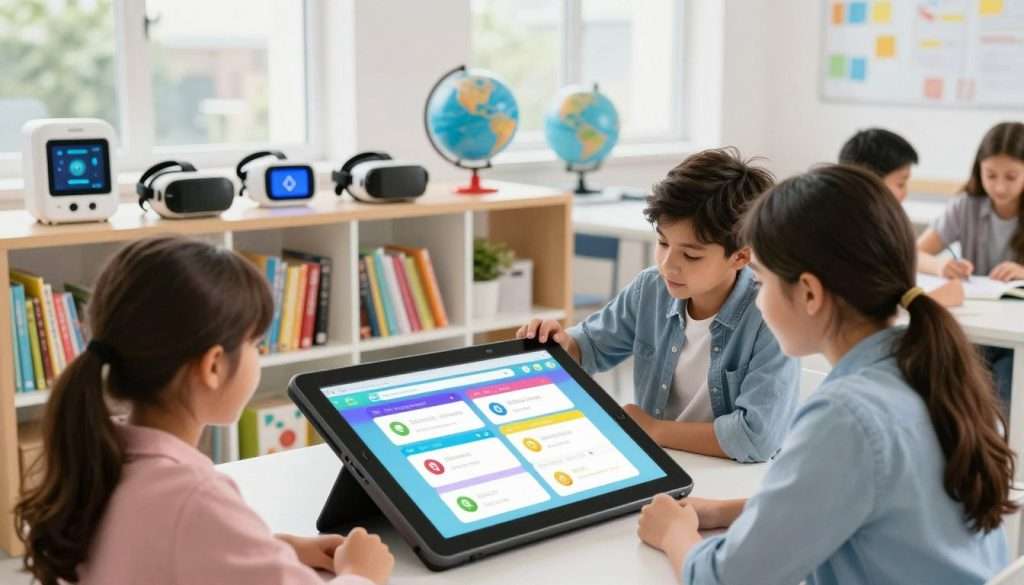
We think the right tech can make learning exciting. By using innovative study methods, you can make learning fun and keep your mind sharp.
Technology has a huge collection of engaging study resources. You can use virtual reality to explore history or apps to learn new words. These tools make learning easy and fun.
Utilizing Flashcard Apps like Anki
Flashcards are great, but digital ones are even better. Apps like Anki use spaced repetition to help you remember things. They make sure you review at the right time.
This method saves time and helps you remember things better. It’s easy to use and keeps you consistent without feeling overwhelmed.
Exploring Virtual Reality for Immersive Education
Imagine exploring ancient Rome or a human cell from your desk. Virtual reality offers an immersive experience that makes learning fun and real.
When you can see and interact with what you’re learning, your brain connects better. This is great for students who find textbooks hard to follow.
Collaborative Digital Whiteboards
Sometimes, you need to brainstorm with others. Digital whiteboards let you work together in real-time, no matter where you are.
Platforms like Quizlet, Khan Academy, and CrashCourse are also great. They offer engaging study resources that make learning fun and easy. These tools help you tackle complex problems in a fun way.
Designing an Inspiring Study Environment
Creating a learning sanctuary is key for students wanting to focus better. Your study space affects your energy and clarity. A well-designed space makes you want to stay longer and achieve more.
Optimizing Lighting and Ergonomics
Good lighting is crucial for your brain. Natural light reduces eye strain and keeps you awake. If natural light is not available, a high-quality desk lamp is a good substitute.
Good posture is also important. An ergonomic chair supports your back, preventing fatigue. Keeping your screen at eye level keeps you comfortable while studying.
Personalizing Your Workspace with Motivation
Your desk should reflect your personality and goals. Adding personal items like photos or plants makes your space inviting. These touches give you a mental boost when motivation wanes.
Having a vision board or goal list nearby is helpful. These reminders motivate you to work hard. Surrounding yourself with inspiring elements makes study time more positive.
The Impact of Background Soundscapes
Background sounds can enhance focus. Certain sounds, like white noise or nature sounds, help you stay in a flow state. Experiment to find what works best for you.
Some prefer instrumental music, while others like coffee shop sounds. Discovering your ideal background sound is a valuable study tip.
| Environmental Factor | Primary Benefit | Recommended Action |
|---|---|---|
| Lighting | Reduces eye fatigue | Use natural light or daylight bulbs |
| Ergonomics | Prevents physical strain | Adjust chair and screen height |
| Soundscapes | Enhances focus | Use white noise or ambient music |
| Personalization | Boosts motivation | Add plants or goal reminders |
Social Learning Strategies for Better Retention
Why struggle with tough topics alone? Make studying a fun event by connecting with others. Sharing the effort turns a hard task into a fun team effort.
Organizing Effective Study Groups
Studying in groups makes you more accountable. It’s easier to stay focused when you know your friends are counting on you. Consistency comes naturally when you work together.
Choose study buddies who are as committed as you. A good group balances serious work with fun chats. This keeps everyone motivated and engaged.
Participating in Online Academic Forums
Online forums can be your best study buddies. They let you learn from people worldwide. You might find unique insights or new ways to solve problems.
These online spaces are great for asking questions without classroom pressure. They’re flexible and fun for students with busy schedules. You can learn whenever you have a moment.
Peer-to-Peer Knowledge Exchange
Teaching someone else is the best way to check your own understanding. Explaining a topic to a friend reveals any knowledge gaps. This peer-to-peer exchange benefits everyone.
Helping others strengthens your own memory and confidence. It makes studying a supportive cycle of growth. See how different social methods can enhance your learning in the table below.
| Method | Primary Benefit | Best For |
|---|---|---|
| Study Groups | Accountability | Complex Projects |
| Online Forums | Diverse Perspectives | Quick Questions |
| Peer Tutoring | Deep Retention | Mastering Concepts |
Incorporating Multisensory Techniques into Your Routine
Why settle for boring reading when you can make it exciting? By using more than just your eyes, you tap into powerful memory pathways. This makes learning fun and helps you remember better.
Combining Auditory and Visual Stimuli
Your brain loves variety, so why not give it both sights and sounds? Watch educational videos while reading a transcript or color-coded notes. This dual-coding approach makes it harder to forget.
Pairing a visual diagram with a spoken explanation strengthens your mental map. These techniques are great for complex topics. You’ll find your retention rates improve when you use more than one sense.
Kinesthetic Learning Through Physical Movement
If you get restless, use that energy! Kinesthetic learning uses physical movement to help you remember. Try pacing while reciting your notes or using gestures to explain a process.
Even simple actions like squeezing a stress ball or standing up while reading can help. By connecting physical activity to your study material, you create a unique memory. This is perfect for those who can’t sit still for long.
Using Mnemonic Devices and Rhymes
Turning facts into a catchy song or silly phrase can help you remember. Mnemonic devices are mental shortcuts. For example, “Please excuse my dear Aunt Sally” helps remember the order of operations in math.
You can create your own rhymes or acronyms for any subject. These creative shortcuts make studying feel like a game. By using these techniques, you turn abstract data into memorable stories.
Managing Energy Levels to Maintain Enthusiasm
Ever felt like a genius in the morning but a zombie by mid-afternoon? Your energy is key for learning. By using smart study methods, you can keep your brain sharp and ready for new info.
Aligning Study Sessions with Circadian Rhythms
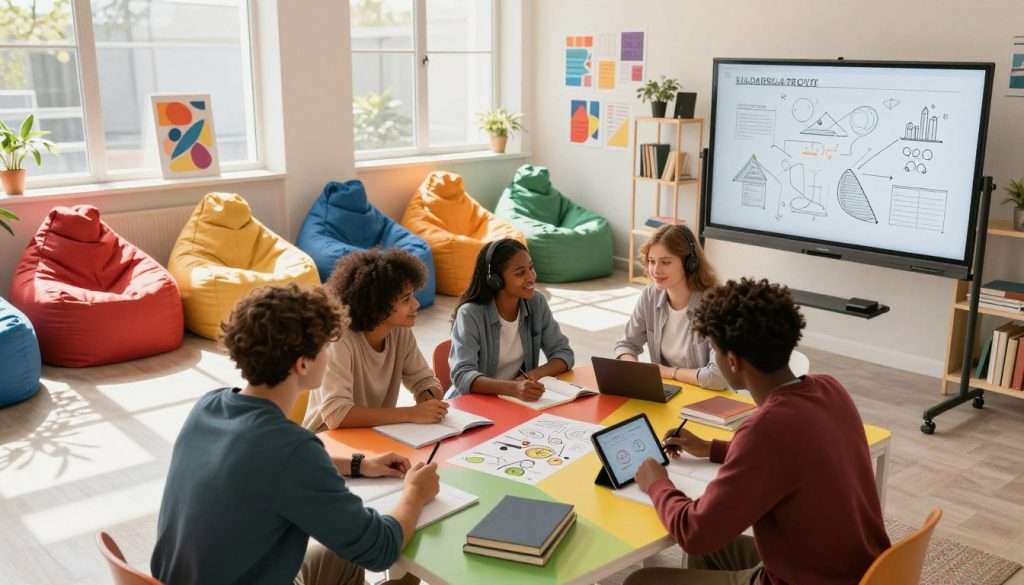
We all have an internal clock that tells us when we’re most alert. Some are morning people, others night owls. Listen to your body and tackle tough tasks when you’re at your best.
Working with your natural rhythm makes learning easier. This simple change is a powerful way to stay enthusiastic about studying.
The Role of Nutrition and Hydration
Your brain needs constant fuel to perform well. Skipping meals or relying on caffeine can lead to a crash. Eat brain-boosting foods like blueberries, nuts, or dark chocolate to stay energized.
Always have a water bottle with you. Even mild dehydration can cause brain fog and distract you. Staying hydrated keeps your mind clear and focused.
Implementing Micro-Habits for Sustained Focus
It’s easy to feel overwhelmed by a lot of work. Break your time into smaller, easier chunks. The Pomodoro technique, with 25 minutes of study and a 5-minute break, is a great example.
These short breaks refresh your mind and prevent the mid-day slump. By adding these micro-habits to your day, you can keep your energy up without getting tired. Using these methods will keep you excited about learning every day!
Overcoming Study Burnout with Playful Breaks
Feeling stuck during study sessions is normal. But how you break can make a big difference. Instead of scrolling through social media, use your downtime for a strategic mental reset.
The Pomodoro Technique with a Twist
You might know the Pomodoro method: work for 25 minutes, then rest for 5. To boost this, use interactive learning tools during breaks. Try a quick vocabulary game or a quiz app that makes learning fun.
Interactive breaks keep your energy up and give your study area a break. This way, your breaks feel like rewards, not just pauses. It keeps your curiosity alive all day.
Engaging in Creative Hobbies During Downtime
For longer breaks, move away from your desk. Try creative study exercises that engage different brain parts. Sketch a concept map or write a funny poem about what you learned. These activities help you remember better and offer a creative outlet.
- Doodling: Sketching diagrams helps visualize abstract ideas.
- Storytelling: Turning facts into a narrative makes them easier to recall.
- Mind Mapping: Using colors and shapes to connect related concepts.
Physical Activity as a Mental Reset
Movement clears mental fog. Stand up and move with a walk, stretch, or dance. Physical activity is a natural reset button for your focus and energy.
Coming back to your desk after moving feels better than sitting still. Your brain needs oxygen and a change of scenery to work best. Make your breaks active and fun to boost your productivity!
Conclusion
Learning is a journey that needs patience, practice, and a willingness to try new things. By using these fun study strategies, you can make studying rewarding. It turns from a chore to an exciting adventure.
Planning and organization are key for success. We want you to feel in charge of your learning. When you do, every study session becomes fun and productive.
Are you ready to change how you tackle projects? Try one of our tips today. Small changes can make a big difference in your focus and memory.
Share your favorite study tips with friends or classmates. Learning is more fun when we share it. We can’t wait to see how you use these strategies to achieve your goals!