

Ever felt like your brain is racing while you’re just sitting there? We’ve all been there. It’s tough when you’re faced with a huge pile of notes.
We’re here to change those long, tiring study sessions into something you’ll actually enjoy. With the pomodoro your way to study success method, you can make studying fun and keep your mind sharp.
Think of us as your personal cheerleaders, like the Oregon State University Academic Success Center. They’re there Monday to Friday, 9:00 a.m. to 5:00 p.m. PST, to help you succeed. We aim to offer the same support right here. Let’s get started on how to take back your time and boost your focus today!
Key Takeaways
- Break large tasks into small, manageable intervals to maintain high energy.
- Use short, frequent breaks to prevent mental burnout during long sessions.
- Align your study habits with proven techniques to improve overall retention.
- Seek out campus resources like the Academic Success Center for extra support.
- Focus on consistency rather than intensity to achieve your academic goals.
The Science Behind Focused Learning
Ever wonder why your brain feels like mush after hours of staring at a textbook? It’s because your mind isn’t made for endless work. By building effective study habits, you can work with your biology instead of fighting against it.
Understanding how your brain works is key to learning better. When you stop pushing your mind too hard, you open up to better retention and less stress. It’s all about working smarter, not harder, so you can enjoy your free time without guilt!
How the Brain Processes Information
Your brain is always taking in data, but it needs a specific process to turn that into long-term knowledge. First, your brain encodes information, then it stores it, and then it retrieves it when you need to ace that exam. If you try to cram too much in at once, you block deep learning.
Think of your brain like a sponge. If you pour water on it too fast, most of it just runs off the sides. By pacing your intake, you ensure that the information actually sinks in. Developing effective study habits means respecting these natural limits of your cognitive capacity.
The Role of Cognitive Breaks in Memory Retention
Taking a break is not lazy; it’s essential for learning. During these pauses, your brain consolidates new facts from short-term to long-term memory. Without these moments of rest, your mind stays cluttered and exhausted.
When you step away from your desk, your neurons stabilize the connections they just formed. This is why strategic rest is crucial for any high-performing student. Check out the table below to see how your approach to studying impacts your results.
| Study Strategy | Brain State | Retention Level |
|---|---|---|
| Cramming | Overloaded | Low (Short-term) |
| Focused Intervals | Engaged | High (Long-term) |
| Frequent Breaks | Refreshed | Optimal |
By integrating these effective study habits, you transform your academic life. You’ll spend less time struggling and more time mastering the material. Your brain will thank you for the balance!
Understanding the Pomodoro Technique
The secret to mastering your workload might be simpler than you think. It all started with a humble kitchen timer. You’ve likely seen the pomodoro technique in action if you’ve watched “study with me” videos on social media. These videos became popular around 2020, showing students how to turn chaotic study sessions into productive flows.
Origins of the Method
This clever approach was born in the late 1980s by a university student named Francesco Cirillo. He was overwhelmed by his studies and needed a way to focus. He used a tomato-shaped kitchen timer—or “pomodoro” in Italian—and worked intensely for just a few minutes.
“Time is the most valuable thing a man can spend.”
Cirillo found that breaking his day into small chunks helped him stay focused without burning out. This simple act of setting a timer changed his academic life. It showed that you don’t need complex software to be productive; just a clear goal and a ticking clock.
Core Principles of Time Management for Students
Effective time management for students is not about working longer hours. It’s about working with your natural energy levels. The method works because your brain performs best when it knows a break is coming. By alternating between focused work and short breaks, you keep your mind sharp and ready for the next challenge.
| Feature | Traditional Studying | Pomodoro Method |
|---|---|---|
| Focus Style | Long, erratic bursts | Structured intervals |
| Mental Fatigue | High by mid-session | Low due to breaks |
| Goal Tracking | Vague progress | Clear, task-based |
When you adopt this rhythm, study sessions become a series of sprints, not endless marathons. This change in perspective helps you master your schedule and stay motivated throughout the semester.
Pomodoro Your Way to Study Success
Everyone’s brain works differently, and so do study habits. The classic 25-minute timer is a good start, but feel free to adjust it to fit your energy. You can pomodoro your way to study success by seeing these intervals as flexible tools, not strict rules.
Customizing Intervals for Different Subjects
Tasks need different mental focus levels. For simple tasks like memorizing or flashcards, 15 to 20 minutes might be enough. But for complex subjects like physics or advanced calculus, you might need 40 minutes to really understand the material.
The pomodoro technique is meant to help your productivity, not control it. If 25 minutes feels too short, extend your work time. Finding the right interval helps you reach your best performance.
Adapting the Technique for Long-Form Writing
Writing a research paper or essay is a unique challenge. These tasks need a flow state that can be disrupted by a timer. Try extending your work intervals to 50 or 60 minutes when you’re in the creative zone.
This longer time lets you keep your momentum without constant interruptions. Take a longer break to recharge your creative energy. Being flexible is key to making this method a natural part of your day.
| Study Task | Recommended Focus Time | Break Duration |
|---|---|---|
| Flashcards & Quizzes | 15-20 Minutes | 5 Minutes |
| Standard Reading | 25-30 Minutes | 5-10 Minutes |
| Long-Form Writing | 50-60 Minutes | 15 Minutes |
| Complex Problem Solving | 40-45 Minutes | 10 Minutes |
Essential Tools for Your Study Routine
Creating a strong study routine begins with choosing the right tools. The right equipment can turn a mountain of textbooks into manageable tasks. It’s about finding tools that help you stay focused without adding stress.
Physical Timers Versus Digital Apps
Some students love the feel of a physical kitchen timer. It offers a sense of grounding and keeps phones away. This helps avoid digital distractions.
Yet, a study timer app offers convenience and portability. These apps track your progress and are easy to access. Digital tools are perfect for those who like everything in one place.
Recommended Study Timer Apps for Students
Not sure which tool to choose? The Academic Success Center offers live chat support. They can help you pick the best one. Here are some top picks:
- Forest: A fun app that lets you grow virtual trees while you study.
- Focus To-Do: A study timer app that helps you manage tasks and stay focused.
- Be Focused: A simple app that lets you customize your breaks easily.
Choosing the right study routine is a personal journey. Don’t be afraid to try different tools. Whether you prefer analog or digital, the goal is to stay focused and keep your mind clear. You can do it!
Preparing Your Environment for Deep Work
Ever noticed how a messy desk messes with your mind? Your surroundings, both physical and digital, set the stage for your success. When you tidy up, you tell your brain it’s time to work.
Even a small area can boost your productivity. By removing distractions, you let your focus flow smoothly. Let’s explore how to set up for the best results.
Minimizing Digital Distractions
Our devices often hinder deep work. Notifications can derail your focus in no time. To fight this, try “Do Not Disturb” mode or apps that block social media during study.
Put your phone in another room if you’re tempted to check it. Being far from your phone helps you stay focused. By quieting digital distractions, you free up mental energy for important tasks.
“The ability to focus is a superpower in our distracted world.”
Creating a Dedicated Study Space
You don’t need a big office to be productive. The key is to link a specific area with learning. When you sit there, your brain gears up for work.
Keep your desk only for what you need for the task at hand. A tidy desk helps you stay focused and avoid multitasking. Use the table below to see how different environmental factors impact your daily output.
| Feature | Distracting Setup | Deep Work Setup |
|---|---|---|
| Lighting | Dim or flickering | Bright, natural light |
| Devices | Notifications enabled | Silent or hidden |
| Surface | Cluttered with papers | Minimalist and clean |
| Sound | Background chatter | White noise or silence |
Your environment is as important as your tools. Take a few minutes to set up your space before starting. You’ll see better work and less stress.
Mastering the Art of the Short Break
Your brain is like a high-performance engine that needs the right fuel to run smoothly. Taking a break is not just stopping work. It’s about doing the right things to improve focus and concentration for your next session. When you step away, you give your mind space to reset and process what you’ve learned.

Activities That Actually Recharge Your Brain
Choose fun, low-energy activities to help your brain shift gears. Instead of diving into another complex task, try something that lets your mind wander freely. This simple shift is a proven way to improve focus and concentration when you return to your desk.
Here are quick, refreshing activities to boost your mental clarity:
- Stretching your arms and legs to release physical tension.
- Taking a short walk to get some fresh air and sunlight.
- Drinking a glass of water to stay hydrated and alert.
- Listening to a favorite upbeat song to lift your mood.
Avoiding the Trap of Social Media During Breaks
It’s tempting to grab your phone when the timer goes off, but scrolling through social media is a major productivity killer. These platforms are designed to keep you engaged, which means your brain never actually gets the rest it needs. Stepping away from screens is the best way to ensure you return to your desk feeling refreshed and ready.
When you stay glued to a screen, you’re trading one mental load for another. By disconnecting, you allow your cognitive resources to replenish fully. This habit is essential if you want to improve focus and concentration throughout your entire study day. Keep your phone in another room and watch how much more energized you’ll feel during your next study block!
Handling Interruptions and Unexpected Tasks
Even the best plans can go awry with unexpected tasks. Whether it’s a roommate needing help or a professor’s email, these moments can disrupt your focus. Good time management for students means having a plan for these interruptions.
The Inform, Negotiate, and Schedule Strategy
When someone interrupts, use the Inform, Negotiate, and Schedule method. First, tell them you’re in a study session. A simple “I am working on a project right now” is enough.
Then, find a better time to talk or help. Offer a specific time, like during your next break. This way, you keep your focus without losing your momentum. If it’s something you need to do later, schedule it then.
Managing Urgent Academic Deadlines
Urgent assignments can pop up unexpectedly. With multiple classes, it can feel overwhelming. Good time management for students means quickly deciding if the new task is more important.
If it’s urgent, switch your focus but do it on purpose. Update your plan to stay in control. This way, you keep your academic success even when things get busy.
| Type of Interruption | Immediate Action | Follow-up Strategy |
|---|---|---|
| Social Request | Inform of study time | Schedule for later |
| Urgent Assignment | Assess priority | Re-block your time |
| Technical Issue | Troubleshoot briefly | Seek outside help |
Remember, time management for students improves with practice. Don’t worry if your day doesn’t go as planned. Just reset, breathe, and get back to work.
Advanced Time Blocking for Studying
Think of your weekly schedule as a roadmap. It guides your focus and keeps your academic goals on track. Moving beyond daily to-do lists gives you a clearer perspective on your workload. This helps you allocate your energy where it matters most.
Integrating Pomodoro into Your Weekly Schedule
You can easily add the pomodoro technique to your weekly plan. Treat your study blocks like non-negotiable appointments. Assign specific blocks of time to your most challenging subjects early in the week. This prevents cramming when deadlines are near.
By mapping out your week, you create a rhythm that prevents burnout. Knowing when you are working and when you are resting makes your study time feel more intentional. It’s about creating a sustainable flow that respects your brain’s need for recovery.
Balancing Multiple Subjects in One Session
Many students worry that switching between topics will break their concentration. But time blocking for studying lets you group related subjects together effectively. Dedicate one block to a heavy reading task and follow it with a lighter, creative assignment to keep your mind fresh.
Try to group subjects that require similar types of thinking to avoid mental fatigue. If you must switch gears, use your short breaks to reset your focus completely. This strategic approach helps you maintain high productivity without feeling like you are constantly fighting against your own brain.
Overcoming Common Challenges
Even the most dedicated students face moments where motivation seems to vanish into thin air. We all hit walls where procrastination feels impossible to beat, but you are definitely not alone in that struggle. It is completely normal to feel stuck before you even open your textbook.
Dealing with Procrastination and Resistance
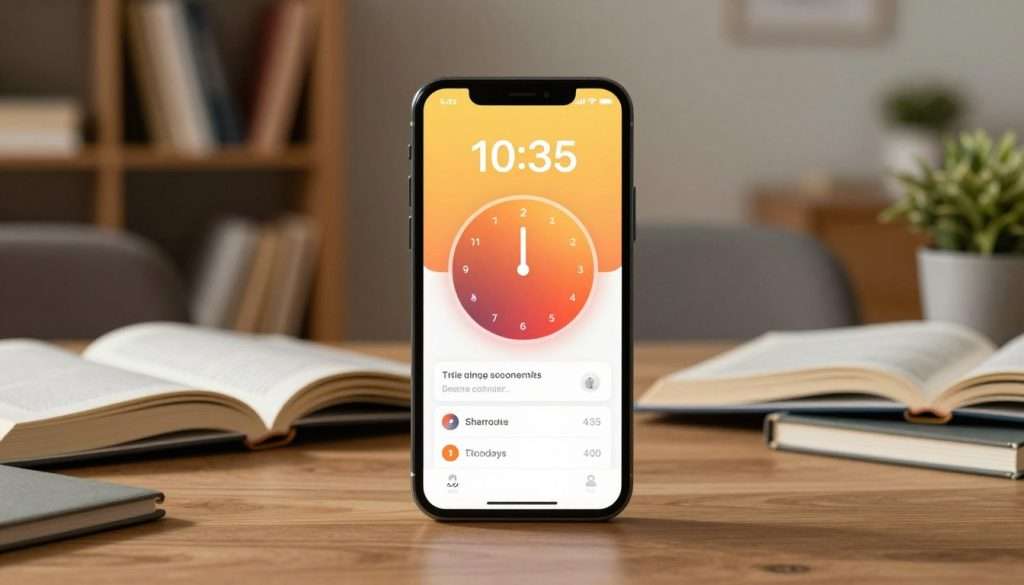
The biggest hurdle is often just getting started. When you feel that heavy resistance, try using your favorite study timer app to commit to just five minutes of work. Tell yourself you can stop once the timer goes off, which lowers the pressure significantly.
Usually, once you break that initial barrier, you will find the momentum to keep going. Small wins build confidence and help you silence that inner voice telling you to wait until later.
Adjusting When You Feel Overwhelmed
Sometimes, the sheer volume of material makes you want to quit entirely. When you feel overwhelmed, it is time to scale back your goals to keep moving forward without burning out. You do not have to finish everything in one sitting.
Your study timer app can be adjusted to shorter intervals, such as fifteen minutes of focus followed by a longer break. It is perfectly okay to change your plan as you go to keep your motivation high and your stress levels low. Remember, flexibility is a superpower in your academic journey.
Tracking Your Progress and Productivity
Ever wonder why you feel like a genius at 10 AM but a zombie by 3 PM? We all have natural rhythms that dictate our energy levels throughout the day. By keeping a simple log of your sessions, you can boost your study productivity to new heights.
Using Logs to Identify Peak Performance Times
You don’t need fancy software to start tracking your progress. A basic notebook or a digital spreadsheet works wonders for recording when you start and finish your tasks. Over time, you will notice patterns in your focus and output.
Perhaps you find that your brain is sharpest right after breakfast, or maybe you hit a creative stride late at night. Once you identify these golden hours, you can schedule your most challenging subjects during those windows. This simple shift ensures you are not fighting against your own biology.
“What gets measured gets managed.”
Refining Your Workflow Based on Data
Data is your best friend when it comes to academic success. By reviewing your logs, you can see which subjects take longer than expected and which ones you breeze through. This allows you to adjust your time blocking for studying to better fit your actual needs rather than your hopeful guesses.
You are turning your routine into a personalized system that evolves with you. If you notice that a specific subject consistently causes you to lose focus, you can break those sessions into smaller, more manageable chunks. This level of self-awareness is what separates good students from great ones.
| Tracking Method | Best For | Ease of Use |
|---|---|---|
| Paper Journal | Reflective learners | High |
| Spreadsheet | Data enthusiasts | Medium |
| Timer Apps | Automated tracking | Very High |
Seeing the tangible evidence of your hard work is incredibly rewarding. When you look back at your logs, you will see exactly how much you have accomplished. Keep refining your approach, and you will find that time blocking for studying becomes second nature!
Long-Term Benefits for Academic Performance
Building a sustainable study habit is like planting a garden that blooms all semester long. Moving away from frantic cramming and embracing a structured rhythm boosts your study productivity. It’s not just about finishing one assignment; it’s about creating a lifestyle that supports your brain for the entire academic journey.
Improving Focus and Concentration Over Time
Consistency is the secret ingredient that helps you naturally improve focus and concentration. By training your brain to work in dedicated intervals, you reduce the mental friction that usually comes with starting a task. Over time, your mind learns to enter a state of flow much faster.
You will notice that your study sessions feel shorter and far more effective. Here are a few ways this consistency pays off:
- Mental Stamina: You build the endurance to handle complex topics without feeling drained.
- Reduced Procrastination: Starting becomes easier when you know a break is just around the corner.
- Better Retention: Frequent, focused sessions help move information into long-term memory.
Reducing Burnout During Exam Seasons
Exam season often feels like a marathon, but it does not have to be a path to exhaustion. Using a structured method acts as a protective shield against the burnout that hits so many students. By pacing yourself, you maintain a steady energy level even when the pressure is at its peak.
| Feature | Traditional Cramming | Pomodoro Consistency |
|---|---|---|
| Energy Levels | Spiky and erratic | Stable and sustainable |
| Stress Impact | High anxiety | Managed pressure |
| Long-term Recall | Poor | Strong |
When you prioritize your well-being alongside your grades, you create a balanced approach to learning. You will find that you can improve focus and concentration even during the most stressful weeks. This is the ultimate way to ensure you finish your semester feeling strong, capable, and ready for the next challenge.
Conclusion
You now have the tools to make studying a source of confidence. By adopting these effective study habits, you’re setting yourself up for a better learning experience. It will be more enjoyable and productive.
Remember, progress is a journey that takes patience. Be gentle with yourself as you find what works for your brain. Even small changes in your daily routine can lead to big improvements in your grades.
We’re excited to see you achieve your goals. Make studying something you look forward to. Which study habit will you try next? Share your journey with us and keep striving for your best!